North Korea's Real Advantage Isn't Missiles — It's a Broken UN Security Council
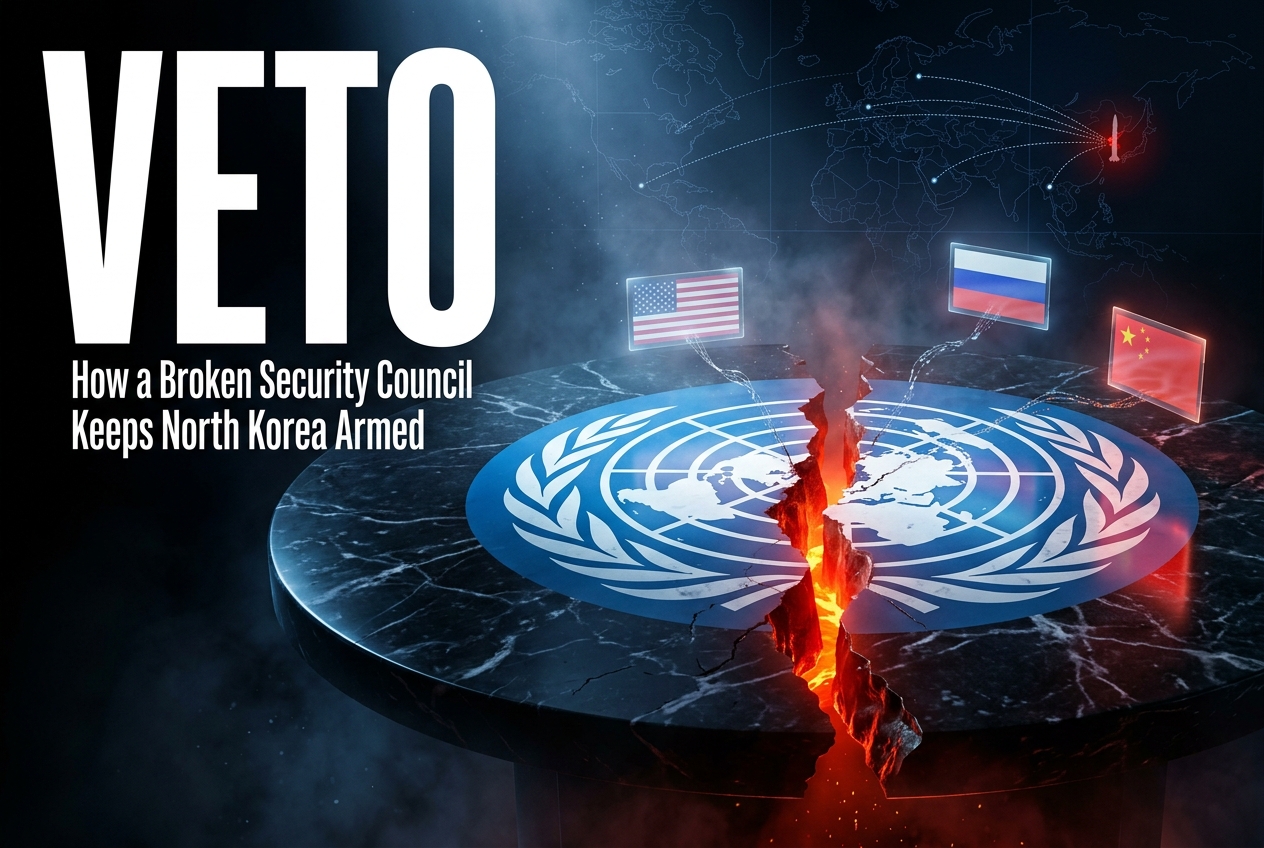
Foreign Policy's latest lays out the core mechanism keeping Pyongyang's weapons program alive: not technical sophistication, but geopolitical fracture. The UN Security Council's sanctions regime against North Korea only works when its permanent members agree to enforce it — and that consensus, once anchored by a US-Russia-China alignment against proliferation, has effectively dissolved. Russia and China now have their own reasons to look past Pyongyang's violations, leaving the sanctions architecture nominally intact but practically hollow.
This is the same pattern that has quietly reshaped sanctions enforcement everywhere: multilateral pressure regimes are only as strong as their least-committed veto holder. Iran sanctions frayed the same way once European and Chinese firms found workarounds; Russia's own post-2022 sanctions evasion runs through the exact same Beijing-Moscow logistics corridors now shielding North Korean coal, oil, and arms trades. When great powers are aligned, sanctions regimes bite. When they're competing, the same regimes become theater — enforcement becomes selective, loopholes become policy, and the sanctioned state becomes a beneficiary of the very rivalry meant to contain it. Pyongyang isn't outmaneuvering the system; it's just patiently waiting out a Security Council that no longer functions as one.
The SAL read: if your risk model for North Korea, Russia, or Iran exposure still assumes UN or multilateral sanctions will hold, update it — enforcement now depends on which two great powers are getting along that quarter, not on what's written in the resolution.