Lebanon's PM tours the rubble a ceasefire deal is supposed to fix
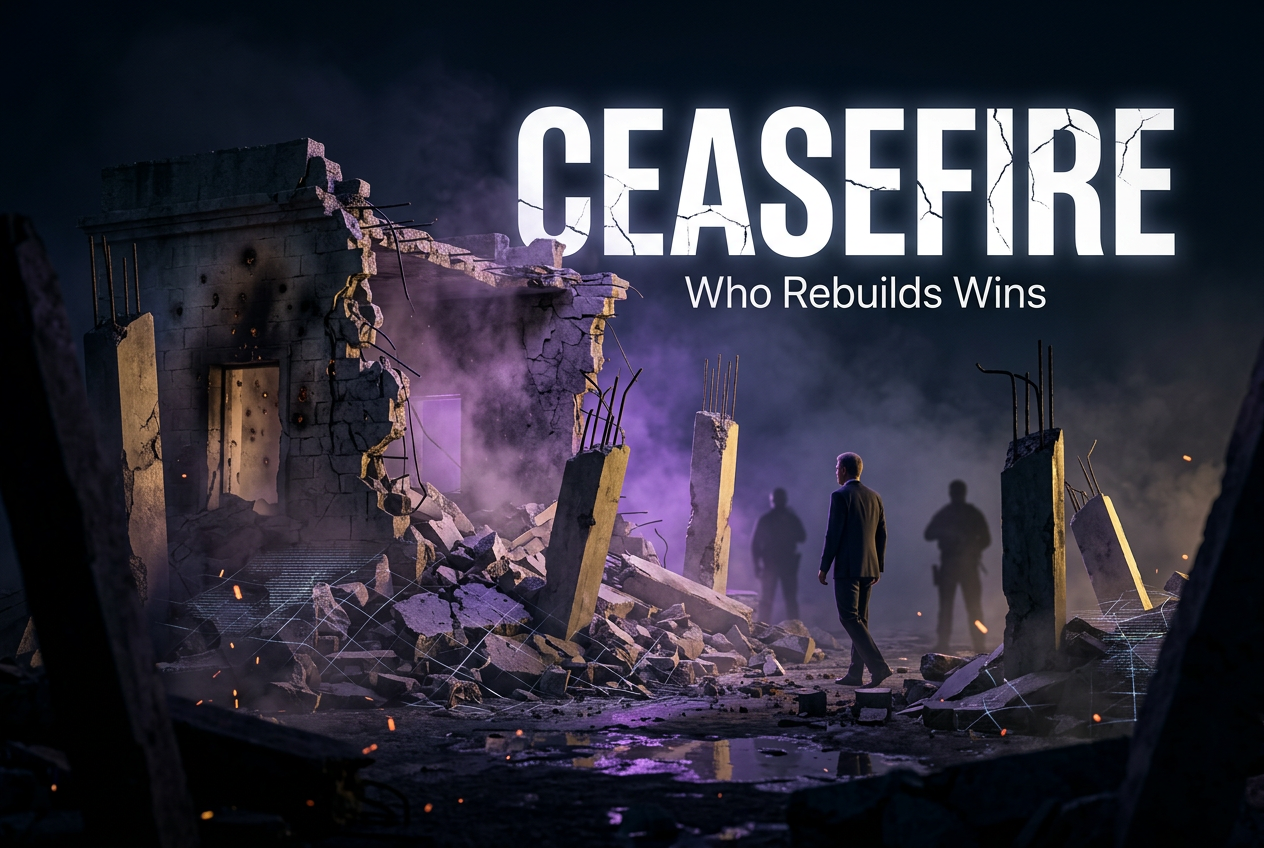
Lebanon's prime minister made a visible visit to a shattered border village as a deal with Israel begins taking effect, according to Religion News. The trip functions as a public marker that the agreement is entering an implementation phase, with the state trying to be seen standing in the wreckage rather than issuing statements about it from Beirut.
This is the standard playbook for fragile ceasefires in contested border zones: the political leadership shows up in person to claim the reconstruction narrative before armed non-state actors, sectarian factions, or a return to hostilities can claim it instead. Whoever controls the story of "who rebuilds this village" tends to control the loyalty of the people living in it. Lebanon's central government has historically struggled to compete with Hezbollah on exactly this front -- presence, resources, and credibility in the south -- so a prime ministerial visit at the start of a deal is as much a domestic legitimacy play as a diplomatic one.
The SAL read: a border ceasefire that starts with a photo-op in the rubble is a bet on political control of reconstruction, not a guarantee of durable peace -- treat any Lebanon-Israel exposure as headline-risk until rebuilding money and authority actually flow through the state rather than around it.