The Future of Age Verification: Your Face Never Leaves Your Device
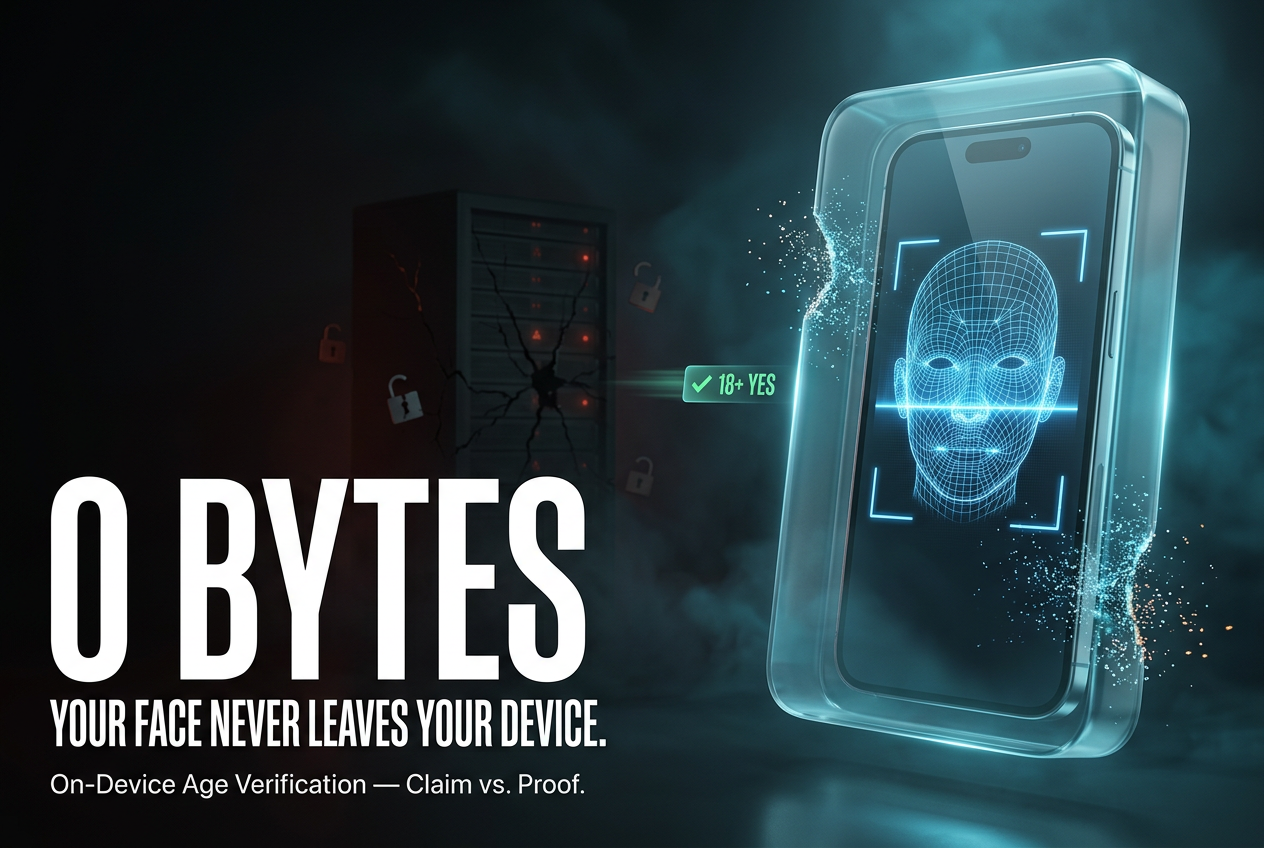
BleepingComputer profiles a shift in age-verification technology: instead of uploading a selfie or ID scan to a remote server for analysis, the facial estimation happens locally on the user's device, with the result — a yes/no on age threshold — being the only thing transmitted. No biometric image or template leaves the phone or laptop. This is the industry's response to a problem it created for itself. Age-verification mandates are multiplying across jurisdictions, and the first generation of compliance tools mostly worked by centralizing exactly the kind of data attackers most want: government ID scans and facial biometrics, sitting in vendor databases as a single point of failure. That architecture has already produced breaches and enforcement headaches for age-verification vendors, which is precisely why "we never see your face" is now the pitch. It's the same lifecycle every regulated-data market goes through — mandate creates a rushed vendor ecosystem, rushed vendor ecosystem gets breached, breach forces the "privacy-preserving" version two nobody built the first time. Expect the marketing claims to run well ahead of independent audits proving the data really is processed and discarded on-device as advertised. The SAL read: if your business is being pushed toward age-verification or biometric-onboarding vendors to satisfy new regulation, treat "on-device processing" as a claim to verify, not a compliance box to check — get the data-flow diagram and retention policy in writing before