The Soccer Surveillance State
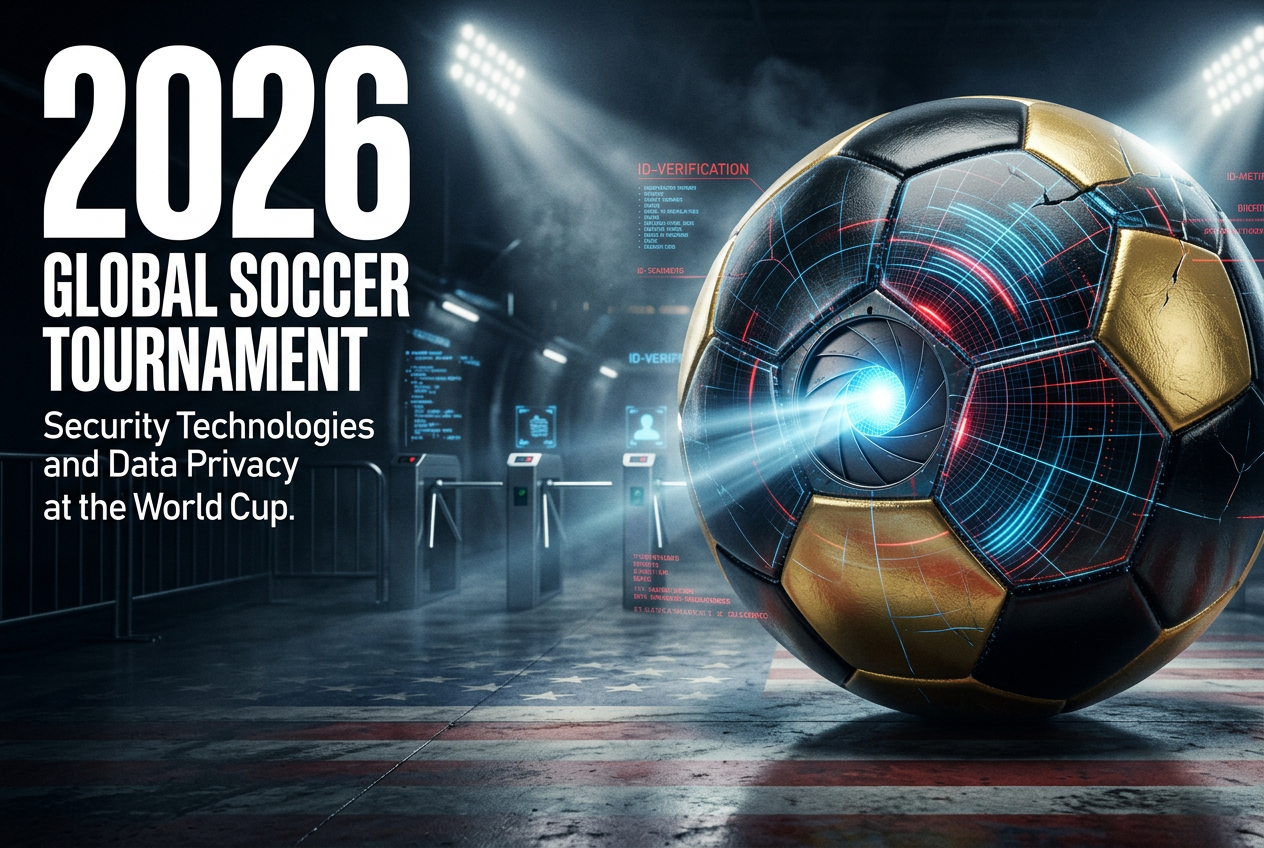
Foreign Policy reports on the surveillance apparatus taking shape around the 2026 World Cup on U.S. soil, tracing how ICE enforcement priorities and the Trump administration's relationship with FIFA president Gianni Infantino are shaping the security posture for a tournament that will bring millions of foreign visitors, players, and staff through American ports of entry and stadium gates over several weeks. Mega-events have been the preferred vehicle for surveillance expansion for two decades — the pattern runs from post-9/11 Olympics security to the biometric buildup around the 2022 Qatar World Cup. The playbook is consistent: temporary infrastructure justified by a fixed deadline and a global audience quietly becomes permanent capability once the cameras and data pipelines are already installed and the vendors are already paid. What makes this instance notable is the fusion of two normally separate tracks — sports hosting logistics and domestic immigration enforcement — under one administration's direct coordination with the sport's global governing body, collapsing the usual distance between