Treasury Sanctions VPN and Malware Providers Tied to Ransomware Gangs
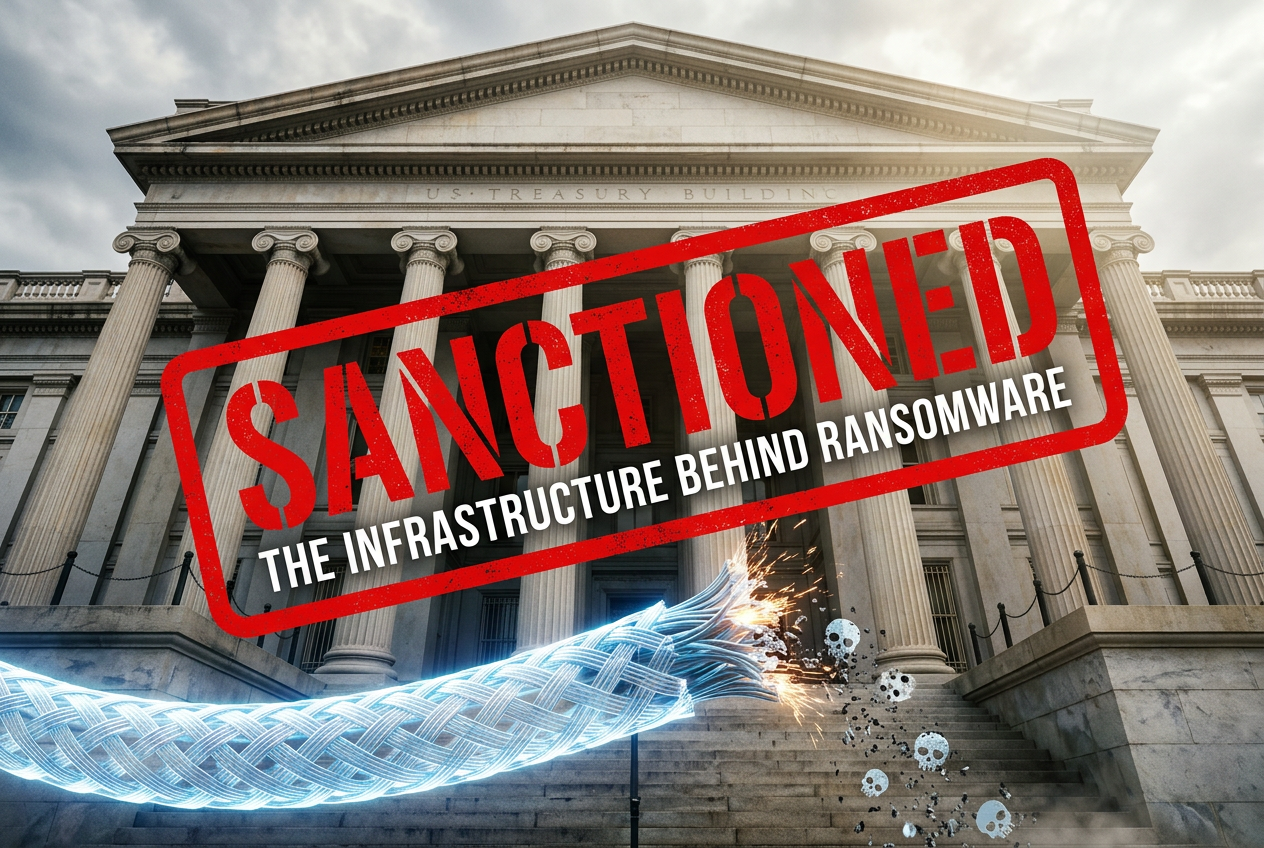
The US government has issued sanctions against a VPN service and malware providers found to be enabling ransomware operations, according to reporting from BleepingComputer and The Hacker News. The action targets infrastructure providers that gave ransomware gangs the tools and anonymity needed to conduct attacks, rather than the ransomware operators themselves.
This matters because it signals a shift in strategy: rather than only chasing the attackers after the fact, regulators are going after the plumbing that keeps ransomware-as-a-service ecosystems running. For small and mid-size business owners, the takeaway isn't a direct compliance obligation, but a reminder that the ransomware supply chain is broad and well-organized, spanning VPN providers and malware developers who profit from enabling attacks on companies like yours.
The practical move here is to double down on the basics that make you a harder target regardless of who's supplying the attackers: enforce MFA, patch known exploited vulnerabilities promptly, maintain offline backups, and vet any third-party VPN or remote access tools your business relies on. Sanctions disrupt criminal infrastructure over time, but they won't stop an opportunistic attack against an unpatched or poorly defended network today.