A Week-Delayed Sinking Shows War Risk Doesn't End When the Shooting Stops
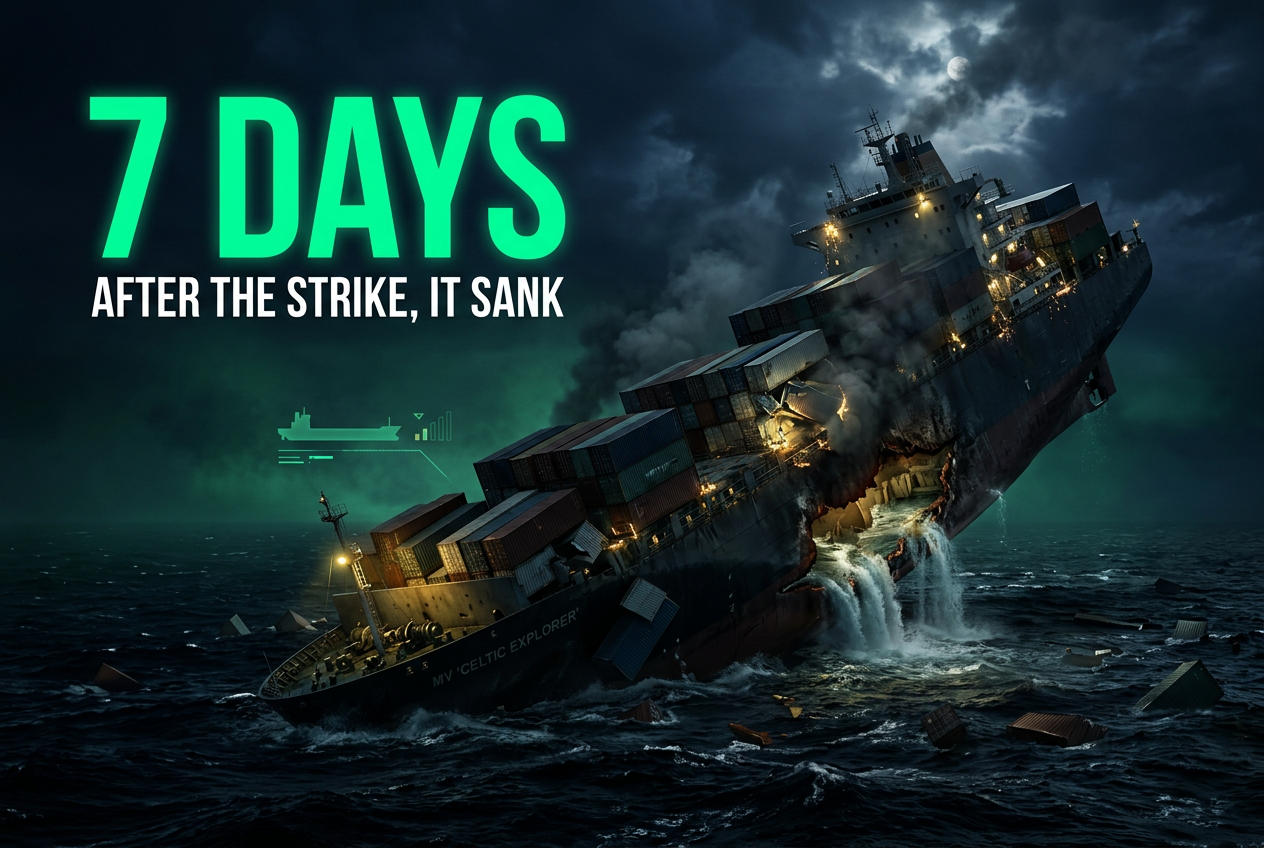
A vessel struck by Russian fire has now sunk, a full week after the initial attack, according to gCaptain. The delayed sinking underscores that the damage from these strikes isn't always immediately fatal to a ship — it can take days for compromised hulls, flooding, or structural failure to finish the job.
This lag matters more than it seems. Insurers, charterers, and crews often treat a "survived" strike as a closed incident — the vessel limps to port, gets logged as damaged-but-afloat, and shipping continues. But war-zone damage doesn't follow a clean before/after timeline; a ship can look stable and then fail catastrophically once stresses compound. This is the same pattern that's plagued Black Sea and Red Sea shipping lanes for the past two years: attacks don't just sink ships outright, they create a tail of deferred losses that make risk models built on immediate outcomes unreliable.
The SAL read: if your supply chain touches contested waters, the real exposure isn't just "was the ship hit" — it's how long you're on the hook after a strike before you know if the cargo, crew, and hull actually made it.
More from SOVEREIGN SIGNAL
- Vietnamese Vessel Sinks in South China Sea, 17 MissingEmpire Logistics
- Germany wants more P-8 sub-hunters — because the sea floor got dangerousEmpire Logistics
- China's Courts Just Put a Price Tag on AI DefamationIntelligence
- Argentina's Vaca Muerta Just Made Itself Impossible to IgnoreWealth Defense