Your medical bills run through vendors you've never heard of. One just leaked 1.26 million people.
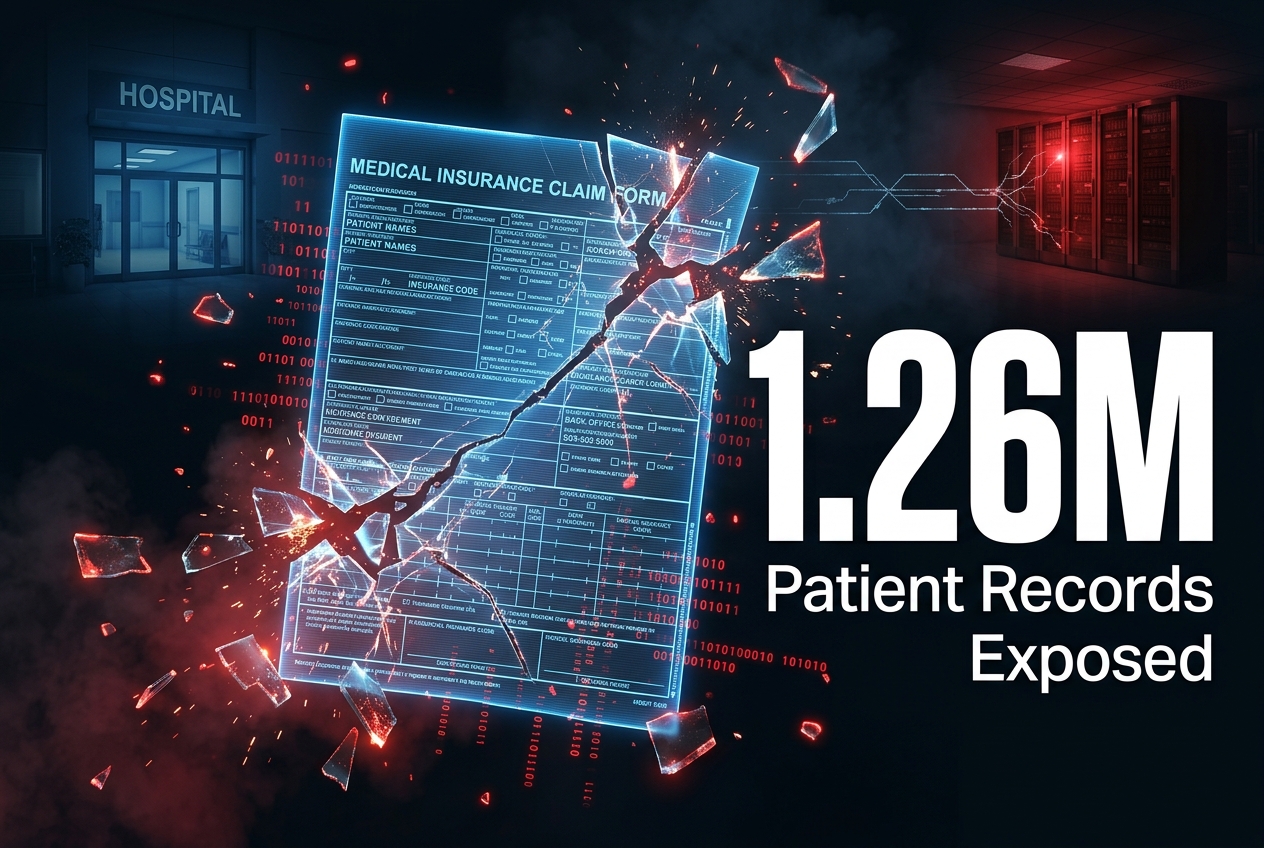
MCBS, a healthcare billing vendor, disclosed a data breach affecting 1.26 million people, exposing patient data like names, treatment codes, insurance details, and SSNs that had passed through an outsourced, cost-competing back-office processor most patients never knew existed.
Medical billing firm MCBS has disclosed a data breach affecting 1.26 million people, according to BleepingComputer. MCBS is a back-office processor -- the kind of vendor that sits between a patient's visit and their insurance claim, invisible to the patient until something like this happens.
This is the healthcare data supply chain working exactly as badly as it always does. Hospitals and clinics harden their own front doors, then hand patient records -- names, treatment codes, insurance details, sometimes SSNs -- to third-party billing, collections, and claims-processing firms that most patients have never consented to knowingly and most providers don't audit closely. Breach notification laws mean the downstream victims eventually find out, but by then the exposure is done and the blame gets diffused across a chain of contracts nobody outside general counsel ever reads. This pattern -- billing vendor breach, six-figure-to-million-plus victim count, minimal operational detail disclosed -- has repeated across the sector for years because the economics never changed: billing firms compete on cost, not security spend, and providers keep outsourcing because it's cheaper than doing it in-house.
The SAL read: if your business touches patient, member, or claims data through any billing or processing vendor, your breach exposure is only as good as their least-audited subcontractor, so get a real answer on their security posture before the next MCBS-shaped letter lands on your desk.
Frequently asked questions
What happened in the MCBS data breach?
Medical billing firm MCBS disclosed a data breach affecting 1.26 million people, according to BleepingComputer. MCBS is a back-office processor that sits between a patient's visit and their insurance claim, meaning most affected patients never knew the vendor existed until the breach notification arrived.
What kind of data was exposed in the MCBS breach?
The exposed data includes the kind of information billing vendors typically handle: names, treatment codes, insurance details, and in some cases Social Security numbers. The article does not disclose full operational detail on which specific data fields were confirmed compromised for all 1.26 million people.
Why do medical billing vendors keep having these breaches?
Billing firms compete on cost rather than security spend, and healthcare providers keep outsourcing billing and claims processing because it's cheaper than building that function in-house. Hospitals and clinics harden their own front doors but hand patient records to third-party vendors that most providers don't audit closely, so the security gap sits with vendors instead of providers.
Who is responsible when a healthcare billing vendor gets breached?
Blame gets diffused across a chain of contracts that typically only general counsel reads, so no single party is clearly on the hook when a vendor like MCBS is breached. Breach notification laws mean downstream victims eventually find out, but by then the exposure has already happened.
How can a business protect itself from vendor-related healthcare data breaches?
According to the article's analysis, if your business touches patient, member, or claims data through any billing or processing vendor, your breach exposure is only as good as that vendor's least-audited subcontractor. The recommended step is to get a real answer on a vendor's security posture before a breach notification letter arrives.
More from SOVEREIGN SIGNAL
- TELESHIM Turns Telegram Into a Command Channel for Gov HacksCyber Warfare
- A Hacker Let an AI Agent Run an Attack on Thailand's Finance Ministry SoloCyber Warfare
- A maintenance bug just took down Microsoft 365 -- your backup plan can't be "wait"Cyber Warfare
- Japan Just Told You What It Thinks the Strait of Hormuz Odds Really AreWealth Defense