Hormuz Chokepoint Squeeze Is Already Showing Up in Your Grocery Bill
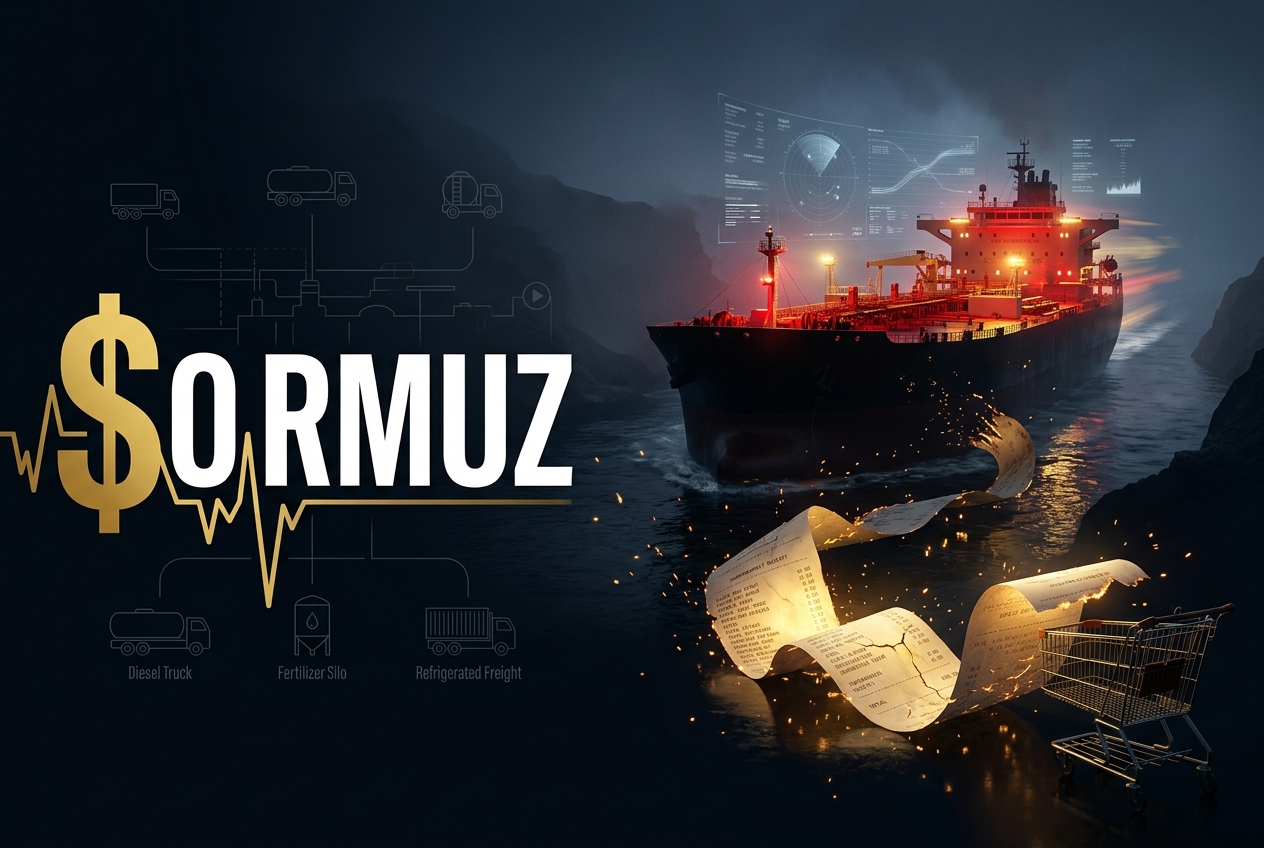
OilPrice reports that Strait of Hormuz closure dynamics are already pushing up supermarket prices, not just fuel costs, as repriced shipping and insurance expenses cascade into fertilizer, freight, and food production faster than most consumers realize.
OilPrice reports that the closure dynamics around the Strait of Hormuz are already feeding through to supermarket prices, not just fuel pumps. The strait, the narrow chokepoint through which a massive share of the world's seaborne oil and LNG moves, has long been treated as a distant geopolitical tripwire -- until now, when its disruption is showing up on receipts far from any tanker route.
This is the pattern every energy-shock cycle follows: markets price the risk before the physical event fully resolves, shipping and insurance costs reprice instantly, and those costs cascade into fertilizer, freight, and food production long before consumers connect the dots to a strait most of them couldn't locate on a map. Supply chains for packaged food and produce run on diesel-powered trucking, natural-gas-based fertilizer, and refrigerated logistics -- all of which sit downstream of the same energy inputs now getting squeezed. The lag between a chokepoint headline and a supermarket price tag is shorter than most operators assume, and it's usually the first hard evidence that a geopolitical story has stopped being abstract.
The SAL read: if your cost structure depends on trucking, refrigeration, or imported inputs, treat Hormuz-linked energy volatility as a line-item risk today, not a future contingency -- lock in freight and input costs where you can before the next price pass-through hits your suppliers' invoices.
Frequently asked questions
Why are grocery prices rising because of the Strait of Hormuz?
The Strait of Hormuz is a narrow chokepoint through which a massive share of the world's seaborne oil and LNG moves. Disruption dynamics around the strait cause shipping and insurance costs to reprice instantly, and those higher energy costs cascade into fertilizer, freight, and food production, showing up on grocery receipts far from any tanker route.
How quickly do chokepoint disruptions like Hormuz affect consumer prices?
Markets price the risk before the physical event fully resolves, so shipping and insurance costs reprice almost immediately. The lag between a chokepoint headline and a supermarket price tag is shorter than most operators assume, making it one of the first hard signs that a geopolitical story has stopped being abstract.
Why does an oil chokepoint like Hormuz affect food prices specifically?
Packaged food and produce supply chains run on diesel-powered trucking, natural-gas-based fertilizer, and refrigerated logistics. All of these depend on the same energy inputs that get squeezed when Hormuz-linked disruption drives up oil and gas costs, so food production costs rise even though the disruption itself is about tanker routes, not groceries.
What should a business do now in response to Hormuz-linked energy volatility?
According to the SAL read in the article, businesses whose cost structure depends on trucking, refrigeration, or imported inputs should treat Hormuz-linked energy volatility as a line-item risk today rather than a future contingency. The recommended action is to lock in freight and input costs where possible before the next price pass-through hits suppliers' invoices.
Is the Strait of Hormuz only a fuel-price issue?
No. The article states that the strait has long been treated as a distant geopolitical tripwire affecting fuel pumps, but its disruption is now showing up on supermarket receipts, meaning the impact extends well beyond gas prices into everyday food costs.
More from SOVEREIGN SIGNAL
- America's Gas Pipeline to the World Is Now a Geopolitical WeaponWealth Defense
- India's Refiners Are Quietly Rewiring Their Crude Map Around YouWealth Defense
- China Locks In Russian Oil While Everyone Else Watches the Strait of HormuzWealth Defense
- India's SMR Bet: Five Reactors by 2033 and a Line for Private CapitalWealth Defense