The UK Just Admitted It's Ukraine's Targeting Arm, Not Just Its Armory
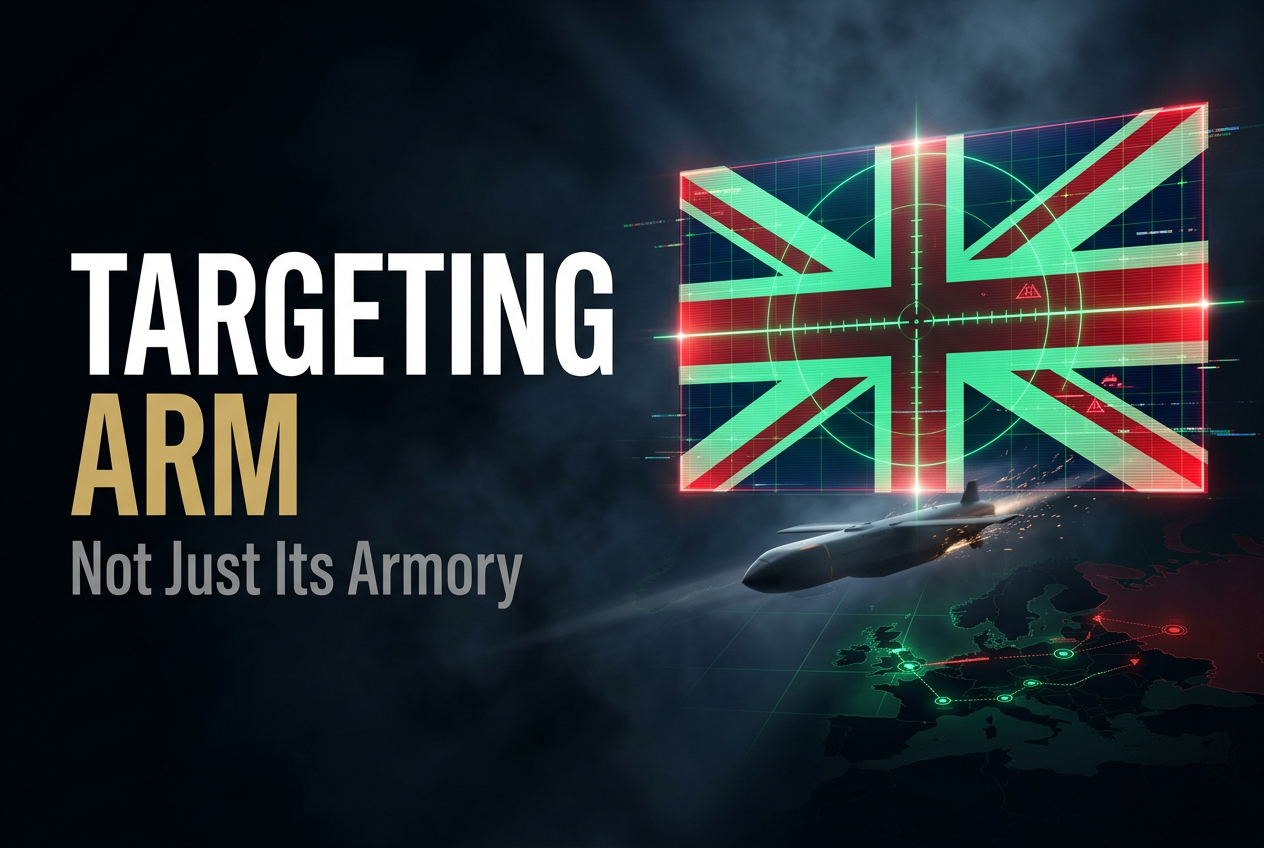
Defense One reports that the UK has moved from being described as Ukraine's weapons supplier to being directly involved in identifying and hitting targets inside Russia, a specificity Western governments have historically avoided disclosing.
Defense One reports on the mechanics of how the United Kingdom is actively assisting Ukraine in striking targets inside Russia -- a shift in framing from "weapons supplier" to direct operational partner in the targeting chain. The story doesn't just catalog hardware transfers; it describes British involvement in the process of identifying and hitting targets, a level of specificity Western governments have historically avoided putting on record.
This is the pattern every proxy conflict eventually reveals: military aid escalates in public euphemism long after it has escalated in practice. Nations start with "defensive equipment," move to "intelligence sharing," then quietly arrive at co-targeting -- and only later does that reality get reported plainly, usually once the domestic political cost of admitting it has already been priced in. The U.K.'s willingness to have this laid out openly signals either confidence that Moscow's retaliation options are already priced into the relationship, or a calculated move to normalize deeper involvement before an autumn diplomatic push forces the issue anyway. Either way, the story is less about Ukraine and more about how far a NATO member is willing to go before calling it what it is.
The SAL read: when a government lets a direct-participation story run without pushback, it's not a leak -- it's a signal that the escalation ladder has already been climbed and they're now just briefing the public on where they're standing.
Frequently asked questions
What is the UK actually doing to help Ukraine hit targets in Russia?
According to Defense One's reporting, the United Kingdom is directly involved in the process of identifying and hitting targets inside Russia, not just supplying weapons. This marks a shift in framing from the UK as a weapons supplier to an operational partner in Ukraine's targeting chain. The story provides a level of specificity about this involvement that Western governments have historically avoided putting on the public record.
Why does it matter that this level of detail is being reported now?
The article argues that military aid typically escalates in practice long before governments admit it publicly, moving through stages from 'defensive equipment' to 'intelligence sharing' to actual co-targeting. When this reality finally gets reported, it usually happens after the domestic political cost of admitting it has already been absorbed. The willingness to let this story run signals that the escalation has already occurred, not that it's a new development.
What does the UK gain by letting this story be reported without pushback?
The article suggests two possible explanations: either the UK is confident that Russia's retaliation options are already factored into the relationship, or this is a calculated move to normalize deeper involvement ahead of an autumn diplomatic push. Either way, the analysis frames this as a deliberate signal rather than an accidental leak.
Is this story more about Ukraine or about the UK's own position?
The article states the story is less about Ukraine and more about how far a NATO member is willing to go before openly calling its involvement what it is. It frames the UK's transparency here as a marker of where the escalation ladder currently stands for a Western government.
What is the 'SAL read' on why this story is being allowed to run?
The analysis concludes that when a government lets a direct-participation story run without pushback, it isn't a leak -- it's a signal that the escalation has already happened and officials are now simply briefing the public on where things stand. In other words, the public disclosure lags behind the operational reality rather than announcing something new.
More from SOVEREIGN SIGNAL
- Air Force Puts a Second B-52 Back in the Radar-Testing RotationEmpire Logistics
- Houthis Hit Saudi Arabia, Red Sea Traffic Slows AgainEmpire Logistics
- A Week-Delayed Sinking Shows War Risk Doesn't End When the Shooting StopsEmpire Logistics
- Vietnamese Vessel Sinks in South China Sea, 17 MissingEmpire Logistics